
What Size Dehumidifier Do I Need for My Basement?
-
By Gary Goh
- Last Update
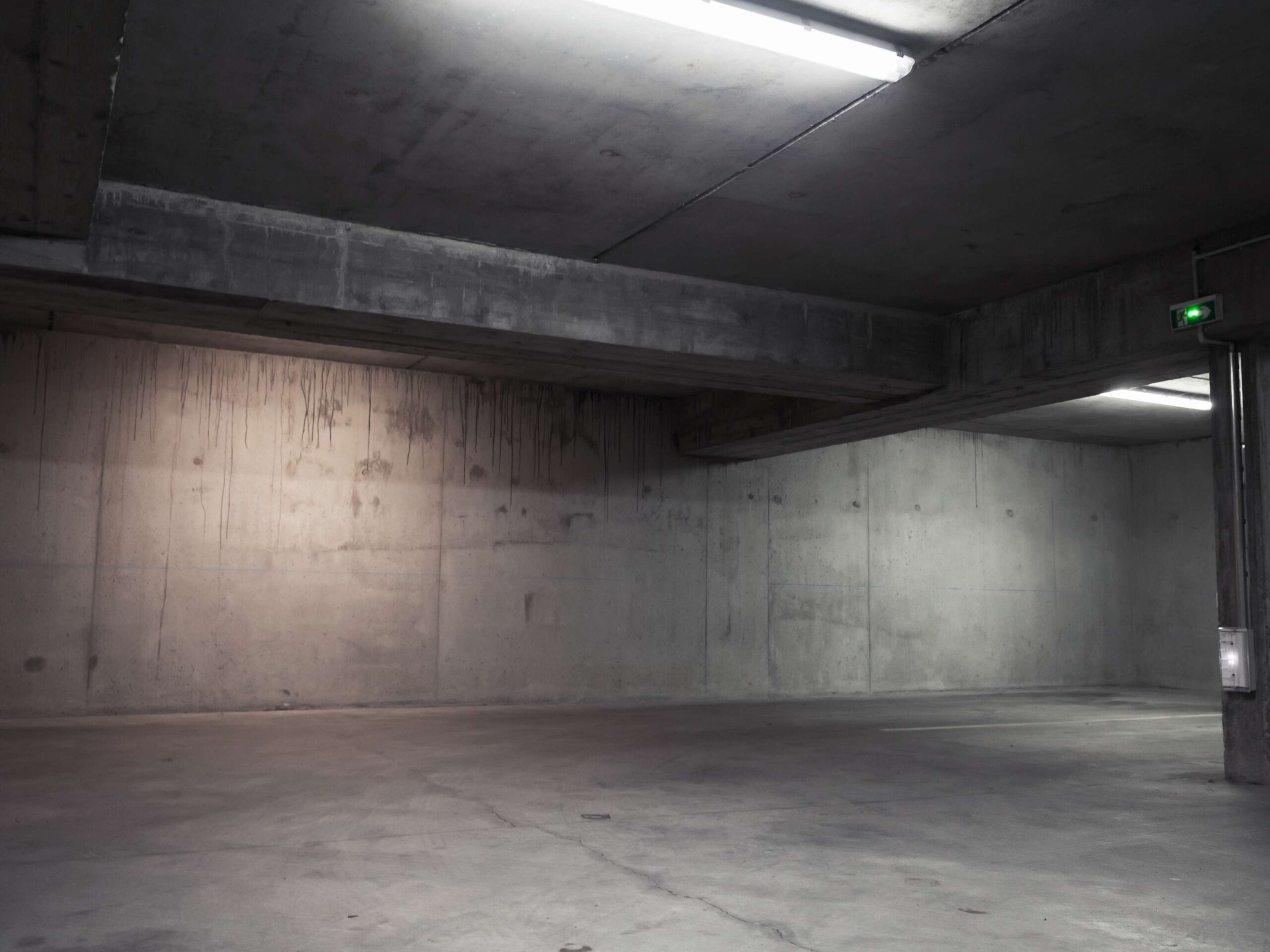
Why Is Humidity Control in Commercial Basements Crucial?
Humidity control is inevitable in industrial and commercial basements. These areas are bigger and fully or partially underground, with near to none natural ventilation. This makes these basements are exposed to severe and consistent humidity challenges. Moreover, when you are utilizing it for production, storage, or using them as controlled environments for growing
the stake gets bigger. The uncontrolled humidity in industrial basements causes a number of threats to any business. When it comes to production, the quality of raw materials gets affected and the packaging gets damaged–leading to compromised quality of goods. The excessive moisture makes the environment corrosive that corrodes the equipment, causes premature breakdowns, and even leads to electrical issues. Humidity in the basements deteriorates the infrastructure leading to concrete spalling and foundational weakening. If you are using the commercial basement for storage and processing, you must comply with strict humidity requirements. If your basement has excessive moisture, you may have to face compliance violations. Moreover, you would not be able to utilize your humid basement for certain industries like food processing, pharmaceuticals, and cultivation. Therefore, you must tackle the uncontrolled moisture at earliest before it starts costing you money.
Important Aspects of Selecting The Right Dehumidifier
Size of the basement
The most determining factor in the selection of a dehumidifier for the basement is its accurate square footage In the commercial applications cubic footage comes into play. The same size of the basement with different ceiling heights will require different dehumidification capacities. Therefore, you must include the measurement of the ceiling height while determining the dehumidification capacity you need for your commercial basement. Moreover, if the entire basement space is divided into rooms you may need multiple dehumidifiers. If your basement is wide with no segmented areas–you may only need a smaller number of dehumidifiers strategically placed within the space.
Level of Moisture in Basement
Specific Conditions of Industrial Basements
The commercial basements usually have several specific conditions that make the standard capacity calculation truly complicated. You may need to go beyond just square footage formulas. You will need to keep a margin of dehumidification capacity to handle the additional humidity caused by these conditions.
- Poor Ventilation:
There is usually poor ventilation in the old commercial buildings which leads to more build-up of moisture. You may need more capacity of dehumidification to extract that excessive moisture.
- Water-Intensive Processes:
If your business operations in the basement are highly water-intensive then you may need a higher dehumidification capacity than what your basement size may need.
- Frequency of Door Openings
You may need more high capacity dehumidifiers than usual if the air of your basement swaps so frequently with the air from attached garages or stairwells. When the doors open more frequently, you are letting the humid air in and so the efficiency of your dehumidifier undermines. Therefore, if your basement has more transition of people and materials then you may need higher capacity of dehumidifiers placed just right.
- Use of Heat-Generating Equipment
Warm air holds more moisture than the cooler air. If you are using heat generating equipment in the basement, the environment will get more humid than usual. As the level of temperature of the basement increases, so will the moisture level of the basement and so the humidity will rise. As a result, you will need more dehumidification capacity than usual in your commercial basement.
- High Groundwater Tables
One of the most expensive causes of moisture in basements in high groundwater tables. As the level of water underground sits near the floor of the basement. Most of the time the water is pressing against the foundation of your basement. The moisture seeps through it like a sponge and so you need a dehumidifier in the basement year around.
What Size Dehumidifier for the Basement?
The dehumidification capacity of dehumidifiers is rated in pints or liters of moisture that are removed from the environment per day. In the commercial basements, the square footage alone is not a sufficient factor when it comes to selecting the size of the dehumidifiers. The load of moisture matters more here which helps in determining the right size for a basement with specific conditions.
a. Dehumidifiers for Moderately Damp Basements:
Moderately damp commercial basements are the ones with occasional dampness. There is no major intrusion in these basements. These may include small retail storage basements or the ones used for office archives. The size of these basements is also smaller or medium, having areas up to 800 sq ft. The moisture level of these basements is moderate. A 50-pint dehumidifier model can handle the moisture level in these basements considering the specific conditions. You can still go for a 70-pint dehumidifier to handle the moisture caused by other factors.
b. Dehumidifiers for Larger Basements:
The commercial basements with areas as wide as 800-1,500 sq. ft. typically need 60-70 pint models. This dehumidification capacity tackles the moisture load from wider areas used as warehouses, distribution centers, and light manufacturing spaces where humidity control is not mission-critical. However, you can increase the capacity of the dehumidifier if you are storing moisture-sensitive stock or equipment like electronics, or paper products.
c. Dehumidifiers for Wet Basements or Industrial Needs:
The high-capacity models of dehumidifiers are required to manage excessive humidity in the wet basements, engineered for continuous operation under
demanding conditions. are the basements with persistently high levels of humidity. These spaces have visible water issues, frequent infiltration, wash-down spaces, or heavy moisture generating business operations. This is where the high-capacity, heavy-duty, industrial models of dehumidifiers are needed. GetJoeAir’s YC-10S runs continuously making it suitable for businesses that want zero downtime and a sustained level of moisture. It causes zero degradation that makes it cost-effective too.
Dehumidifier Models to Consider for Different Needs
There are basements that have specific needs or high demands. Just like the underground cultivation facilities, large-scale drying ops, and commercial storage facilities with sensitive inventory. This is where the dehumidifier models like YC-138E word best that extracts 138 pints of moisture per day. You may need multiple dehumidifier units in basements with zoning. However, it is recommended to go for high capacity dehumidifiers for commercial settings.
Our dehumidifier units include a range of standard, low, medium, to high-capacity dehumidifiers. Our dehumidifiers remove excessive moisture from 127 pints up to 2029 pints, from areas ranging between 600 to 10000 sq ft. Here are some GetJoeAir’s reliable dehumidifiers that fit commercial and industrial basement scenarios:
For Small Commercial Basements:
The small commercial basements having areas under 600 sq ft require less dehumidification capacity. GetJoeAir’s YC-60E comes with the dehumidification capacity of 127 pints that is 60 liters per day. This unit is suitable for small office basements, light commercial storages where moderate moisture control is sufficient, as well as retail stockrooms.
For Mid-Size Facilities:
In the mid-sized basements with areas around 1,000 sq. ft. that have moderate-to-high humidity— the YC-90E strikes a good balance. These basements are used for commercial operations such as storage facilities, distribution centers, and light manufacturing operations. This unit removes 89 liters of moisture per day– that are 190 pints. This dehumidifier can tackle the daily operational demand of a commercial facility while maintaining consistent humidity levels.
For Large-Scale Operations:
The commercial basements bigger than 1500 sq. ft. that require serious dehumidification solutions can rely on us. These basements have high-moisture levels with operations such as chronic dampness, infiltration, precision manufacturing, pharmaceutical storage, cannabis cultivation, and food processing. Our dehumidifier units have sufficient moisture extraction capacity to deal with moisture in areas around 10,000 sq. ft. These units can handle up to 2029 pints of moisture per day. With strong airflow and reliable moisture extraction—our industrial dehumidification units are made to last for decades. Our devices have commercial-grade features such as continuous drain, durable build, and low-temp operation making a perfect fit with extremely damp basements. You will find these dehumidifiers running 24/7 for years without any disruption in moisture control. Here our high-capacity dehumidifiers to deal with serious moisture-control:
- YC-138E
- YC-7S
- YC-10S
- YC-15S
- YC-20S
- YC-30S
- YC-40S
Concluding Thoughts
Choosing the right size of dehumidifier for your commercial basements depends heavily on measuring the basement area, determining the moisture load, analyzing real intrusion levels and moisture sources. In commercial-grade dehumidification, one wrong decision of dehumidifier capacity selection can lead to a loss of millions. You may invest in an undersized dehumidifier that would simply fail to handle moisture control. Something that costs more than a properly sized dehumidifier is the cost of equipment failure, product damage, and compliance violations.. For commercial basements, moisture control is part of the infrastructure. Therefore, it is always recommended to choose the dehumidifier while considering the actual operational demands as well as the square footage. An appropriately sized dehumidifier can protect your infrastructure, inventory, cut downtime, and help you avoid expensive rework.
You May Also Like
Should I Put a Dehumidifier in My Garage? A Complete Guide to Moisture Control

Hey there, I’m Cloud from Joe Air! An expert in dehumidifiers and humidifiers. How can I help you?