
what size dehumidifier for crawl space? The Complete Sizing Guide
-
By Gary Goh
- Last Update
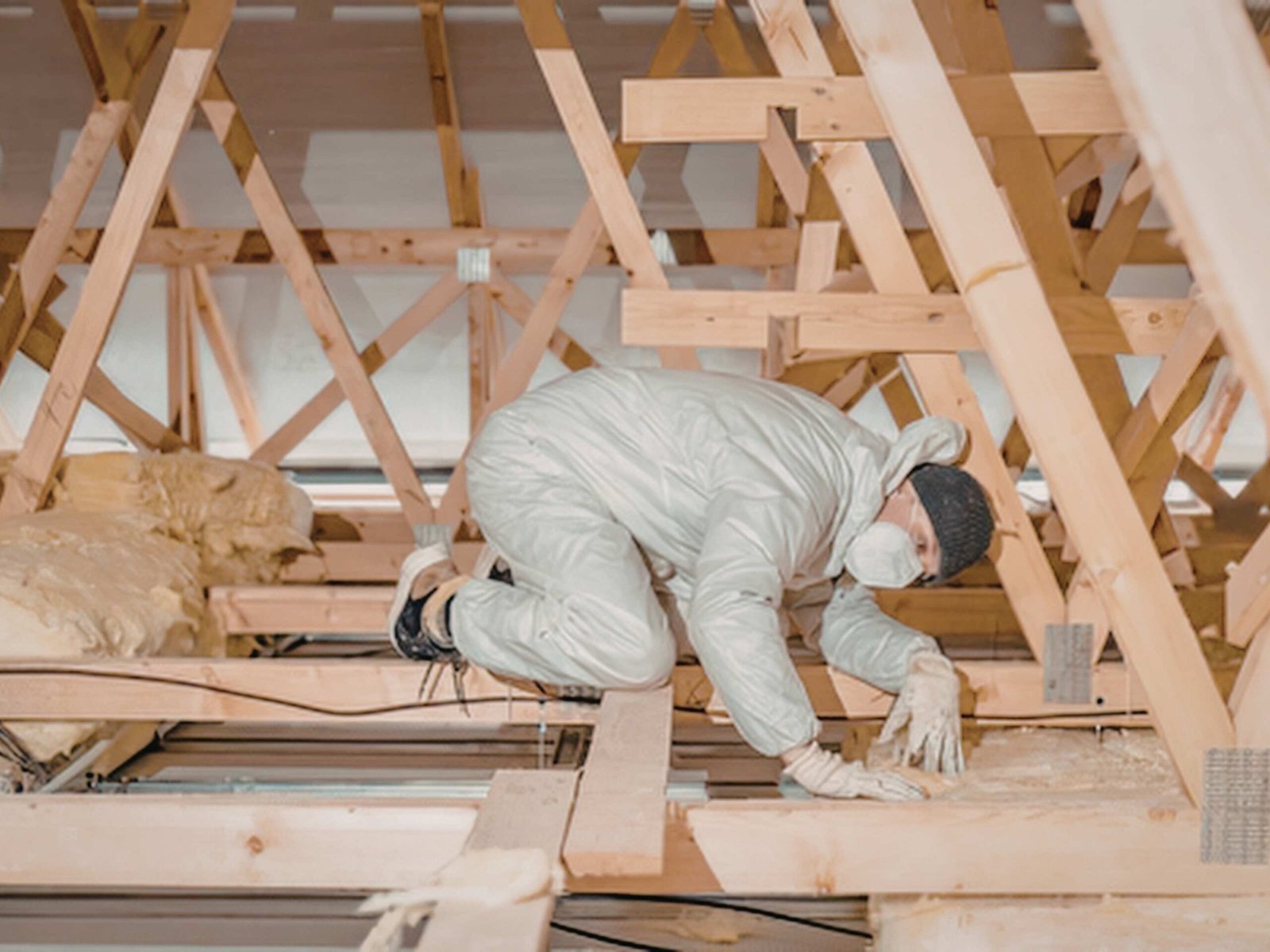
What to Consider while Selecting the right Dehumidifier?
When it comes to determining the right size of the crawl space dehumidifier, square footage is just a number. Several site-specific factors affect how much moisture your crawl space dehumidifier needs to remove daily. Therefore, there are several aspects that you must consider while choosing the size. Let’s dive deep into it.
-
The Size of Your Crawl Space
Square footage is where you begin. Take the length and width of your crawl space to measure the square footage and use it as a baseline. A large area means more room for the moisture to build up, which automatically requires more dehumidification capacity. Additionally, you cannot ignore the odd-shaped crawl spaces or the ones with multiple sections, as these areas can prove to be dead zones, making you lose all your dehumidification investments.
-
Moisture severity level of the crawl space
The moisture severity level of your crawl space helps you pick the right dehumidification approach. A crawl space with 80% relative humidity level requires a different dehumidification capacity in the same square footage. The dehumidification requirement for a crawl space with 60% relative humidity level is different. However, you can assess if the moisture level in your crawl space is mild, moderate, or severe using a general rule of thumb.
Mild (55–65% RH): A crawl space with a mild moisture severity level has no visible structural damage, but a foul smell. The relative humidity here usually ranges between 55-65% RH, and this is where the standard sizing works fine.
Moderate (65–75% RH): A crawl space with a moderate moisture severity level feels damp with slightly visible mold spots and condensation on the pipes. The relative humidity here usually ranges between 65-75% RH. It is recommended to add a 10–20% cushion of capacity to the actual dehumidification capacity that your square footage requires.
Severe Level (75%+ RH): A crawl space with a severe moisture severity level has heavy mold, standing water, seepage, or wet soil. Here, the relative humidity is usually greater than 75% RH. In this case, it is recommended to size up significantly and tackle the source of moisture as soon as possible.
-
Special conditions of your crawl space
You must look beyond square footage merely if your industrial or commercial crawl space has moisture-amplifying conditions. The conditions that boost the moisture load significantly include water intrusion or past flooding, high groundwater level, exposed plumbing, and soil or dirt on the floor. Or the presence of any heat-producing HVAC equipment that adds more humidity to an already humid atmosphere. If any of these factors are at play, you must size up rather than relying on the baseline dehumidification capacity.
-
Ceiling Height and Total air volume
Some industrial crawl spaces have low ceiling heights, and others have taller ones, causing more air volume for dehumidification. A crawl space with 4 feet ceiling height has twice the air volume of one with a 2-foot ceiling height. Higher air volume means more moisture-laden air to dehumidify. You must look for cubic footage while selecting a dehumidifier if your crawl space is taller than usual. Multiply the ceiling height by the square footage to get the cubic feet.
-
Climate Zone and Seasonal humidity level
The industrial and commercial crawl spaces in the southern regions or humid coastal areas usually face higher levels of moisture. Northern climates may see moisture spikes in summer. Cold winters also leave an impact on the regular performance of a crawl space dehumidifier. It is recommended to go for an aggressive baseline sizing if your business is located in a high humidity climate zone.
-
Design of The crawl space
The physical layout of your commercial crawl space directly affects the airflow and moisture concentration. If your crawl space is open-vented, it invites more outside air, which results in more air to process and more workload for your dehumidifier. Similarly, if your crawl space has several access points, it brings in the air from the outside. If the crawl space is segmented or L-shaped, you will need more than one dehumidifier unit to maintain the right humidity levels. However, if your crawl space is encapsulated, the moisture is trapped in. The excessive moisture in the indoor environment is manageable, and the dehumidifier size becomes more predictable.
-
Presence and Condition of a vapor barrier
A rightly installed vapor barrier helps reduce the moisture load significantly. It’s the one that comes with a 12 to 20 mil polyethylene covering the entire floor and sealed at the walls. If the vapor barriers are well placed and in good shape, you can go for dehumidifiers with less dehumidification capacity. However, if it is missing or not intact, you will need to size up.
What Size Dehumidifier Do You Need for a Crawl Space?
Industrial and commercial crawl spaces’ dehumidifiers are required to be more robust than usual. These units come with features including condensate pumps, low-temperature performance, and durable construction. Here are some guidelines based on common dehumidifier sizing recommendations for commercial and industrial crawl spaces. The recommended dehumidification capacity for various square footage of commercial and industrial crawl spaces is as follows:

Hey there, I’m Cloud from Joe Air! An expert in dehumidifiers and humidifiers. How can I help you?
| Crawl Space Size | Recommended Capacity | Ideal For |
|---|---|---|
| Up to 1,000 sq ft | 30–45 pints/day | Small commercial crawl space, low–moderate humidity |
| 2,000–3,000 sq ft | 45–70 pints/day | Mid-size builds, moderate humidity |
| 2,000–3,000 sq ft | 70–90 pints/day | Larger industrial or commercial crawl spaces, coastal or wet climates |
| 3,000+ sq ft | 90–130+ pints/day | Commercial builds, high-humidity zones |
a. Dehumidifier Sizing For Small Crawl Spaces (Under 1,000 sq ft)
A 30–45 pint/day dehumidifier unit usually tackles moisture in smaller crawl spaces in moderate climates. These dehumidifier units are compact enough to fit in tight spaces. These units are energy-efficient for lower moisture load environments. However, if the small crawl space is in a humid climate, or has a dirt floor, water intrusion, a high groundwater level, or exposed plumbing, step up to the 45-pint range minimum. Moreover, it is recommended to look for crawl space dehumidifiers that come with built-in condensate pumps to avoid gravity drainage, which is often impractical in low-clearance crawl spaces. Additionally, if the moisture severity level is mild, the recommended capacity is 30-50 pints per day. If the moisture severity level is moderate, then go for a 50-70 pint dehumidifier or higher.
GetJoeAir’s Dehumidifier Models For Small Crawl Spaces
- GetJoeAir YC-60E
- GetJoeAir YC-90E
b.Dehumidifier Sizing For Larger Crawl Spaces (1,000 sq ft and Above)
Bigger spaces almost always require commercial-grade crawl space dehumidifiers in the 70–130+ pint per day range. These dehumidification units are designed for continuous operation and come with more robust drainage options. For the moderately sealed crawl spaces, a dehumidifier with 70 pints of moisture extraction capacity per day works fine. However, you may require a 100-150+ pints dehumidifier for a very large or heavily damp crawl space. If your crawl space has zoning in it, consider employing more than one unit for better results, as it improves airflow coverage.
GetJoeAir’s Dehumidifier Models For Large Crawl Spaces
- GetJoeAir YC-138E
- GetJoeAir YC-7S
- GetJoeAir YC-10S
- GetJoeAir YC-15S
- GetJoeAir YC-20S
- GetJoeAir YC-30S
- GetJoeAir YC-40S
Concluding Thoughts
Choosing the right size of the crawl space dehumidifier is critical to humidity control. This is why it is highly crucial to know what size dehumidifier is needed for a crawl space. Getting crawl space dehumidifier sizing right requires taking a few minutes to assess the crawl space properly rather than defaulting to a one-size-fits-all solution. An undersized crawl space dehumidification unit will run nonstop and fail to control humidity, while an oversized one wastes electricity. A crawl space dehumidifier unit that comes with a proper vapor barrier and sealing often delivers the best long-term results. Square footage, moisture severity, special conditions of the buildings, vapor barrier condition, air volume, and climate zone all push the number up or down. If you’re unsure about the specific conditions of your space or what size dehumidifier for a crawl space, consider having a professional inspection or a moisture test done. In the end, an oversized unit running at partial capacity is still far less damaging than an undersized crawl space dehumidifier that is struggling to keep up and fails to control excessive moisture. Have questions about your crawl space? Drop a comment below or contact our team for personalized advice on your industrial or commercial crawl space dehumidifier sizing.
You May Also Like
Hey there, I’m Cloud from Joe Air! An expert in dehumidifiers and humidifiers. How can I help you?