Skip to content
How to Clean a Dehumidifier: Step-by-Step Guide to Keep It Running Efficiently and Mold-Free
-
By Gary Goh
- Last Update
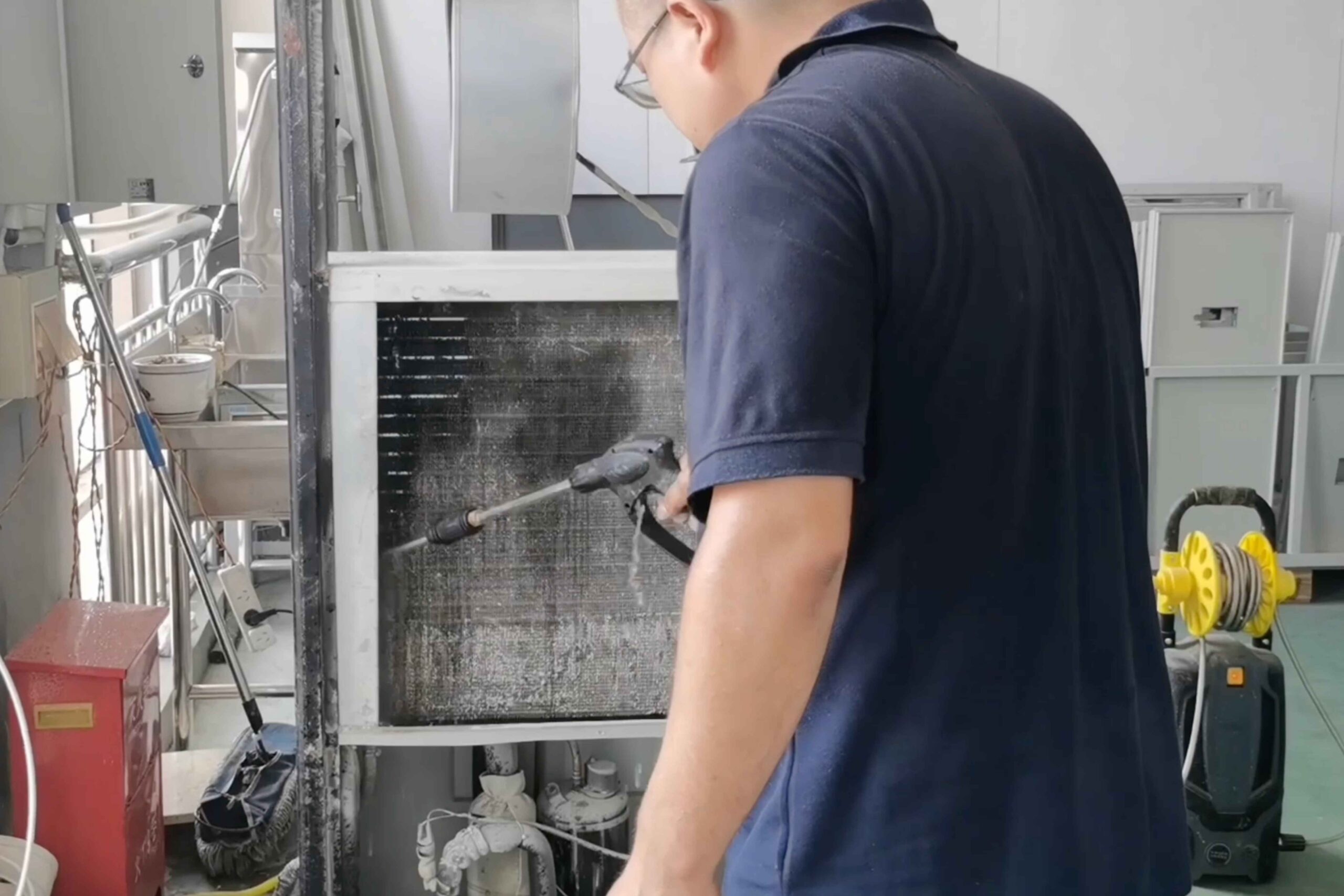
How to Clean A Dehumidifier: Step-by-Step Cleaning Guide
In this step-by-step guide, we will discuss everything you need to know about how to clean a dehumidifier. From the cleaning supplies and safety precautions required to a clear step-by-step dehumidifier cleaning process, we cover every part of your dehumidifier. Following these steps you can easily clean every component of the dehumidifier. Be it an internal or an external one, just use the right tools and right method and your commercial or industrial dehumidifier will renew again. Follow these steps to clean the dehumidifier.
Step#1: Tools and Materials You Need to Clean A Dehumidifier
Whether you have a compact commercial dehumidifier in your office, or a heavy-duty crawl space dehumidifier, the principles are the same: regular and thorough cleaning. Cleaning a commercial dehumidifier is simple. It takes less than an hour but maximizes the efficiency of your dehumidification unit and lets it perform better. When you clean the dehumidifier regularly, there are fewer chances of growth for mold and bacteria. It unblocks the airflow and causes no excessive strain on the motor. All you need is a bunch of right tools and supplies readily available at hand before you begin the cleaning process.
The cleaning tools and materials you will need while cleaning a dehumidifier are as follows:
A. Cleaning Supplies for Exterior Components
White Vinegar-Undiluted
White vinegar is a natural disinfectant and your go-to solution for clearing out the mold spores, the bacterial buildup inside water tanks and drain systems. It cleans the mineral deposits that are built up in high-humidity environments. White vinegar is safe for cleaning the dehumidifier as it does not damage the plastic, rubber, or metal components.
Neutral pH Cleaner
You can use any neutral ph or non-abrasive cleaning solution to clean the removable parts of your industrial dehumidifier. You can use it for cleaning the water collection tank and plastic components without causing surface degradation of plastic or coated components.
Hydrogen peroxide (3%)
You can use hydrogen peroxide to effectively clean the stubborn mold patches on water tank interiors or the hard-to-reach internal surfaces.
Luke Warm Water
You can thoroughly rinse all the components of your dehumidifier following cleaning. Warm water helps loosen dirt, residue, and biofilm buildup inside tanks and drainage areas.
Microfiber or Lint-Free Towels
Lint-free towels are ideal for wiping surfaces without scratching panels or leaving lint behind.
B. Cleaning Tools for Internal Components
The dehumidifiers come with components that can be damaged while cleaning if you go for harsh chemicals and rough scrubbing. Cleaning a commercial or industrial dehumidifier simply requires the right tools and supplies. These dehumidification solutions are built to run harder for longer hours. The coils gather more dust, the build up of mineral deposits is higher and the drainage system manages higher water volumes.
Commercial Coil Cleaner
The dehumidifiers in the industrial and commercial settings such as warehouses, factories, and commercial facilities need more thorough cleaning. The purpose-built coil cleaners work best when it comes to cleaning the industrial and commercial dehumidifiers. These coil cleaners are far more effective for cutting through the heavy grease, debris, and dust that accumulates on the coils. You can get them from any HVAC supply store.
Industrial Vacuum Cleaner with Attached Brush
The internal components of the dehumidifiers need care while cleaning. The condenser and evaporator coils carry dust and debris that you can remove with the brush. You can use a soft coil cleaning brush to gently remove the dust from the delicate coil fins. You can use a stiffer nylon brush to scrub off the tank interiors, drain pans, and housing surfaces with heavier buildup.
Fin Comb
The heavy dust load on the coil fins of high-capacity commercial dehumidifiers make them bend and block the airflow. As a result, the dehumidifier starts underperforming and consuming more energy. While doing the regular maintenance and cleaning you can unblock the clogged coil finds and fin comb them to smooth out the airflow. A fine fin comb can straighten the matted fins and improve the unit’s performance.
Step#2: Safety Precautions Before You Start Cleaning Your Dehumidifier
Cleaning any electrical appliance needs proper precautionary measures. An industrial dehumidifier requires regular cleaning and maintenance. These units are large and powerful and usually installed in confined locations of any commercial space. Therefore, it is highly recommended to consider all the safety measures before you clean these dehumidification units. Following the precautions help you escape the risk of electric shocks, equipment collapsing, and mold exposure. You can also prevent your commercial dehumidifier from damage by doing so.
Here are some precautionary measures to observe:
• Switch the Dehumidifier Off Completely
First of all turn off the dehumidifier using its control panel, and then unplug it from the power outlet. In case of hardwired commercial dehumidifiers, switch off the dedicated circuit breaker. Do apply a lockout tag before proceeding.
• Allow The Unit To Sit For At Least 30 Minutes Before Opening
Before you start opening the dehumidifier for cleaning, let it sit off for half an hour and then you can clean the device. All their internal components remain hot and pressurized for a while after you shut it down. Let the coils, compressors, and refrigerant lines cool down internally before you start opening it to clean. Industrial dehumidifiers run at high capacity and generate significant internal heat during operation.
• Wear Appropriate Personal Protective Equipment (PPE)
- Nitrile or heavy rubber gloves
- N95 respirator or half-face mask
- Safety goggles
- Protective clothing or work apron
• Never Use Water or Liquid Cleaners Near Electrical Components
• Work in a Ventilated Area Where Possible
• Never Attempt to Clean Refrigerant Lines or Internal Compressor Components
• Inspect for Damage Before You Begin
Step#3: Clean the Water Collection Tank
Begin with cleaning the water tank. The water tank of an industrial dehumidifier Is the place where the mold and bacteria grow. No matter how clear the stagnant water looks, the interior of the water tank can harbor invisible colonies that release mold spores and bacteria into the air every time the unit operates. Clean the water tank every one to two weeks.
How to clean it:
First of all, carefully remove the tank from the dehumidifier unit and remove the collected water into the drainage bucket. Then, fill half the tank with clean water and disinfectant solution and let it rest for a few hours. Disinfect the tank using white vinegar or diluted hydrogen peroxide having half warm water and the vinegar. Let it soak for 30 minutes while the vinegar’s acetic acid kills mold spores and bacterial colonies. Now use a soft brush or sponge to scrub off, rinse the interior of the water tank and remove any loose sediment. If there remain any stubborn mold stains, drip a small amount of 3% hydrogen peroxide directly to the stains and scrub firmly. Finally, wash the water tank and wipe dry the exterior and let it air dry before you reinstall it.
Step#4: Clean or Replace the Air Filter
The air filters of commercial and industrial dehumidifiers work super hard to process air. The dust, particulates, lint, and airborne debris clog the filters in the industrial setting be it manufacturing, warehousing, food processing or more. Clean the air filters every two to four weeks.
How to clean it:
Carefully remove the filter without shaking or losing back dirt into the unit’s interior. Move the filters to a well-ventilated area and use a vacuum cleaner with an attached brush to remove the dust and debris from each side of the filter. If the filter of your commercial dehumidifier is washable, you can wash it under lukewarm running water keeping it in the direction opposite to normal airflow. This will help flush trapped dirt particles out. Let the filter air dry before you reinstall it.
Step#5: Clean the Coils
The coils play the main role in the dehumidifier’s process of moisture removal. The humid and warm air passes over the cold evaporator coils. This is where the moisture condenses on the surface of the coils before the dry air returns to the room. When the coils are soaked in dust, debris, and mold, the heat exchange process becomes least efficient and energy consumption doubles. Clean the coils every three to six months.
How to clean the coils:
Get a vacuum cleaner with an attached brush to clean the coil fins and remove the loose dust and debris. Make sure that white vacuum is cleaning the coils, you must work in the direction of the fins. Never work across the fins or else they will bend off and the fins structure may deform. Spray a diluted hydrogen peroxide solution across the coil to get rid of the mold growth and its misty smell. Then apply no-rinse coil cleanser spray to lift debris and biological material off the coil surface without water rinse. After cleaning, inspect the coil fins and if you find any crushed or bent fins, fin comb them to unblock the air pathway.
Step#6: Clean the Exterior and Vents
The exterior panels and air vents of industrial and commercial dehumidifiers contain a huge amount of airborne particulates, dust, and grease that block the vents. This restricts the airflow and simply starts undermining the dehumidification process. The dust collected here can potentially reduce the efficiency of your premium dehumidifier. Clean the exterior and vents every two to four weeks.
How to clean the exterior panels and air vents:
Use a vacuum cleaner with an attached brush to clear dust and debris from all intake and exhaust vents. The grilled vent openings gather the most dense dust that sits there layer after layer and restrict airflow. This is somewhere you must clean thoroughly. Keeping vents clean ensures unrestricted air circulation and optimal performance. Now take a soap-damped lint-free towel or a microfiber cloth and wipe the exterior panels. For greasy industrial dehumidifiers or the one with chemical residue; take a neutral pH all-purpose cleaner to do the cleaning more efficiently. Do not forget to clean the control panel or display screen with dry or slightly damped cloth.
Step#7: Clean the Drain Hose
A drain hole of an industrial or commercial dehumidifier continuously drains good volumes of water. This constant moisture flow makes a perfect environment for the growth of mold, mineral buildup, and bacterial colonies within the hose. This also causes drain blockage and water backing up into the dehumidifier unit directly abrupting its functionality. It is recommended to clean the drain hose between every one to three months.
How to clean the hose:
First of all disconnect the drain hose from the dehumidifier. Then flush the hose with warm water and clean any loose debris in the standing water. Now take equal quantities of warm water and vinegar and mix it well before you use it to disinfect and remove buildup. Pump this solution through the full length of the drain hose. Let it soak for more or less 20 minutes to break down mold, slime, and mineral scale on the interior walls. Then scrub the interior length of the hose with a long-handled pipe brush. Finally, flush the hose again and deep clean it with water until the water starts running crystal clear. Inspect the hose for any deterioration or cracks and replace it if needed. Reinstall the hose and reconnect it to the dehumidifier.
Step#8: Clean the Pump (If Your Dehumidifier Has One)
The dehumidifiers that come with a built-in pump need occasional cleaning to ensure reliable water drainage. A pump clogged with mold, slime, or mineral deposits restrict the flow of water drainage. This in return damaged the unit and its performance.
How to clean the pump:
First things first, disconnect the power and remove the cover of the pump. Take equal amounts of vinegar and warm water and let it soak for about 20 minutes before you clean it thoroughly with a cloth or soft brush. Flush the pump with clean water. Test the water flow from the cleaned pump. Do not forget to inspect the pump inlet screen. Clean it gently if needed before you reassemble it.
Buttom Line
A commercial or industrial dehumidifier requires regular maintenance and cleaning as the unit works 24/7. The efficiency of your workforce, business process, storage, assets rely on the performance of your dehumidifier in one way or another. Therefore, it is highly recommended by the professionals to know how to clean a dehumidifier and practice it for your industrial and commercial dehumidifiers. Moreover, it is smart to schedule a full professional inspection annually to cover the audit of the refrigerant circuit, electrical components, and compressor health.
You May Also Like



Hey there, I’m Cloud from Joe Air! An expert in dehumidifiers and humidifiers. How can I help you?