
Dehumidifier Stopped Working? Causes & When to Call a Professional
-
By Gary Goh
- Last Update
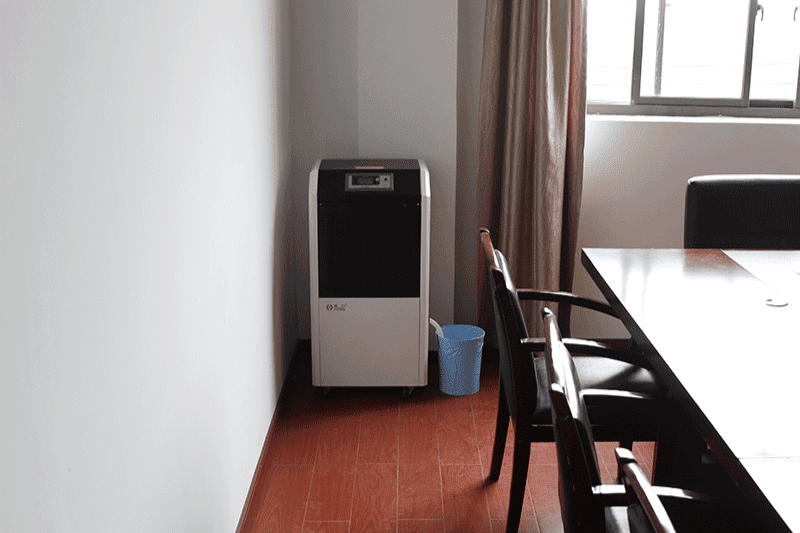
Why Your Dehumidifier Stopped Working?
Your industrial dehumidifier may not perform due to multiple reasons out of which we have discussed eight most common ones in detail. It can be due to little to no maintenance, environmental factors, or wear and tear. Your dehumidifier may not remove excessive humidity due to problems with the power supply or dirty air filters. It could not function properly because of misaligned water buckets, refrigerant issues, or dirty or frozen coils. It could also be due to sensor or compressor failure. Your commercial dehumidifier may also not work due to blocked airflow around the dehumidifying unit. Before you engage a professional to fix the issue, we suggest you rule these issues out. If the problem with the dehumidifier performance still persists, then you can surely get help from a technician. Here are the most common causes of an underperforming dehumidifier.
Cause #1: Power Supply Problems
If your commercial or industrial dehumidifier is not turning on, the most common reason can be power supply. These heavy duty units run in highly challenging environments and so need significant amperage. It makes these units more sensitive to electrical supply problems. It is also the most overlooked cause when it comes to fixing an unfunctional dehumidifier. When this is the cause of a dysfunctional dehumidifier, the unit will not turn on altogether. There will be no display or lights or intermittent operation.
How to fix it?
Ensure that the power supply is enabled.
Look into the circuit breakers and fuses. Fix and reset any tripped breaker.
Examine the power cord to rule out any damages or scorching.
Check the supply of the required voltage is compatible with the unit, as an undersupplied circuit will cause shutdowns.
Look into the internal thermal overload protectors. Heavy duty industrial dehumidifiers go off automatically if the unit gets overheated.
Cause #2: Full or Misaligned Water Bucket
Another major cause of a dysfunctional industrial dehumidifier is a misaligned or full water bucket. Most commercial dehumidifiers come with an automatic shutoff feature as the condensate collection tank fills up. Similarly, if the drainage is blocked, the unit will shut down and would not turn on until you remove the blockage. The dehumidifier units come with indicator lights that turn on when the tank is full. Moreover, the industrial or commercial dehumidifiers also shut down when the water bucket is misaligned or not seated correctly into its place. The unit’s sensor will read it as full.
How to fix it?
First of all, drain the water from the bucket and then restart the dehumidifying unit.
Remove the bucket and insert it again into its housing until it clicks and sits perfectly well.
For the gravity-drain dehumidifier units, look into the hoses for any clogs. Make sure that the drain line slopes downward and the drainage is smooth enough.
Cause #3: Dirty Air Filter
An industrial dehumidifier may also shut down and stop functioning completely if the air filters are clogged. As the dehumidifier pulls in moist air across cold coils and condenses the moisture out. It then pushes the drier air back. Dirty filters restrict airflow and undermine the dehumidifier performance as the process breaks down. Clogged filters block the incoming airflow and the moist air goes untreated. Dirty filters also result in frozen coils that lead to a complete shut down of the dehumidification unit.
How to fix it?
First of all, locate and remove the air filters.
Clean the clogged filters with a mild mixture of soap and water until they are completely unclogged.
Let the filters air dry and reinstall them before you turn on your commercial dehumidifier.
Cause #4: Frozen or Dirty Coils
Another cause of dehumidifier dysfunctionality is the frozen coils. In this case, the dehumidifier runs but never performs. Dirt components on the coils result in insulation on the surface. The coils on the dehumidifier collect moisture and when the temperature drops and there is low airflow across them–the coil freezes. This is when the dehumidifier fails to condense moisture from the air. The sensors detect it and automatically turn off the unit to prevent compressor damage.
How to fix it?
Turn off and open the unit and examine the coils to rule out if there are any traces of ice, dust, or mold buildup.
If the coils are frozen, let it defrost.
Address the root cause of frozen coils. Check the filters if they are clean and allow ample airflow and the refrigerant is working fine.
Clean the coils and remove any kind of ice, dust, debris, or mold using any coil cleaning solution and a soft brush.
Go for occasional dehumidifier maintenance to avoid such issues in the long run.
Cause #5: Refrigerant Problems
A faulty refrigerant also results in an underperforming dehumidifier. If you got a refrigerant-based dehumidifier, look into the refrigerant health. If your refrigerant is not working properly, you can see signs like frozen coils, poor moisture removal, hissing sounds, or oil stains around the unit. This component is the lifeblood of a dehumidifier. It makes the coils cold enough to condense the moisture from the air and dehumidifies the air. If the refrigerant level is low due to leakage, the coil will start freezing. Now, if this component fails, so will do your dehumidifier. The unit will keep on running without reducing excessive humidity from your moist industrial space.
How to fix it?
Hire a certified technician for this task.
Look for any leaks and refrigerant levels.
Identify any irregular hissing sound.
If there is any leakage, find it and repair it to let the unit perform again.
Recharge the refrigerant with the right refrigerant amount.
Cause #6: Control & Sensor Failures
Modern commercial and industrial dehumidifiers come with pressure sensors, electronic controls, humidistats, and control boards for flawless operation. When any of these features fail, the dehumidifier starts behaving erratically. You can assess if sensor failure is the reason behind your dysfunctional dehumidifier by viewing the incorrect humidity readings and error codes.
How to fix it?
Redo the humidistat settings
Calibrate pressure sensors as per manual.
Rule out any corrosion buildup in control panels.
If the issue still persists, engage a professional.
Cause #7: Blocked Airflow Around the Unit
An industrial or commercial dehumidifier also stops working if the airflow around the unit is blocked. The units start overheating and stop performing. The space around the dehumidifier must be ample enough for sufficient airflow. The minimum clearance area varies as per the dehumidifier model but the minimum is around 12-24 inches. Industrial dehumidification units function well only if there is adequate space left on all of the sides. These units need to move huge volumes of air through them so there must be ample space around air intake and discharge. When the dehumidifier is placed in the corners, packed by equipment or shelves– the airflow becomes restricted. The unit consumes more energy to run and shutdowns become more frequent.
How to fix it?
Make sure that about 12-24 inches clearance area around the unit is free for the air intake and exhaust.
Keep the intake grilles and filters clean.
Cause #8: Compressor or Fan Motor Failure
The most alarming mechanical failure of a dehumidifier is the compressor failure. In the excessively damp and dirty industrial spaces, the compressor failure of a high-hours industrial dehumidifier is common. A failed compressor results in no condensation, no cooling, and resultantly no dehumidification. While the compressor fails, the dehumidifier still powers on but makes clicking sounds. It happens from continuous use in harsh environments and electrical stress. You can identify it with a humming sound that comes from the compressor along with burning smells.
How to fix it?
Fixing a failed compressor usually costs you more money than buying a new dehumidifier.
Conclusion
Look into the power supply issues, water collection, troubles with the filters, coils, refrigerant, sensors or the airflow before you jump into seeing the mechanical errors. Most of the time, the trouble gets resolved by fixing minor self-correctable issues. Make sure that you diagnose and fix the issues that make an industrial dehumidifier underperform. Lingering these issues will only add more trouble to the existing situation. Ensure the maintenance of your dehumidifiers and keep the drainage clear. Let the unit pull out excessive moisture and maintain the required humidification level that supports your industrial operations. However, call the professionals for fixing the refrigerant, electrical, and major component issues to ensure safety, compliance, and longevity.
You May Also Like
Do Dehumidifiers Help with Dust? – Everything That You Need to Know

Hey there, I’m Cloud from Joe Air! An expert in dehumidifiers and humidifiers. How can I help you?