Skip to content
Indoor Pool Dehumidifier Sizing Guide: Stop Moisture Damage Before It Starts
-
By Gary Goh
- Last Update
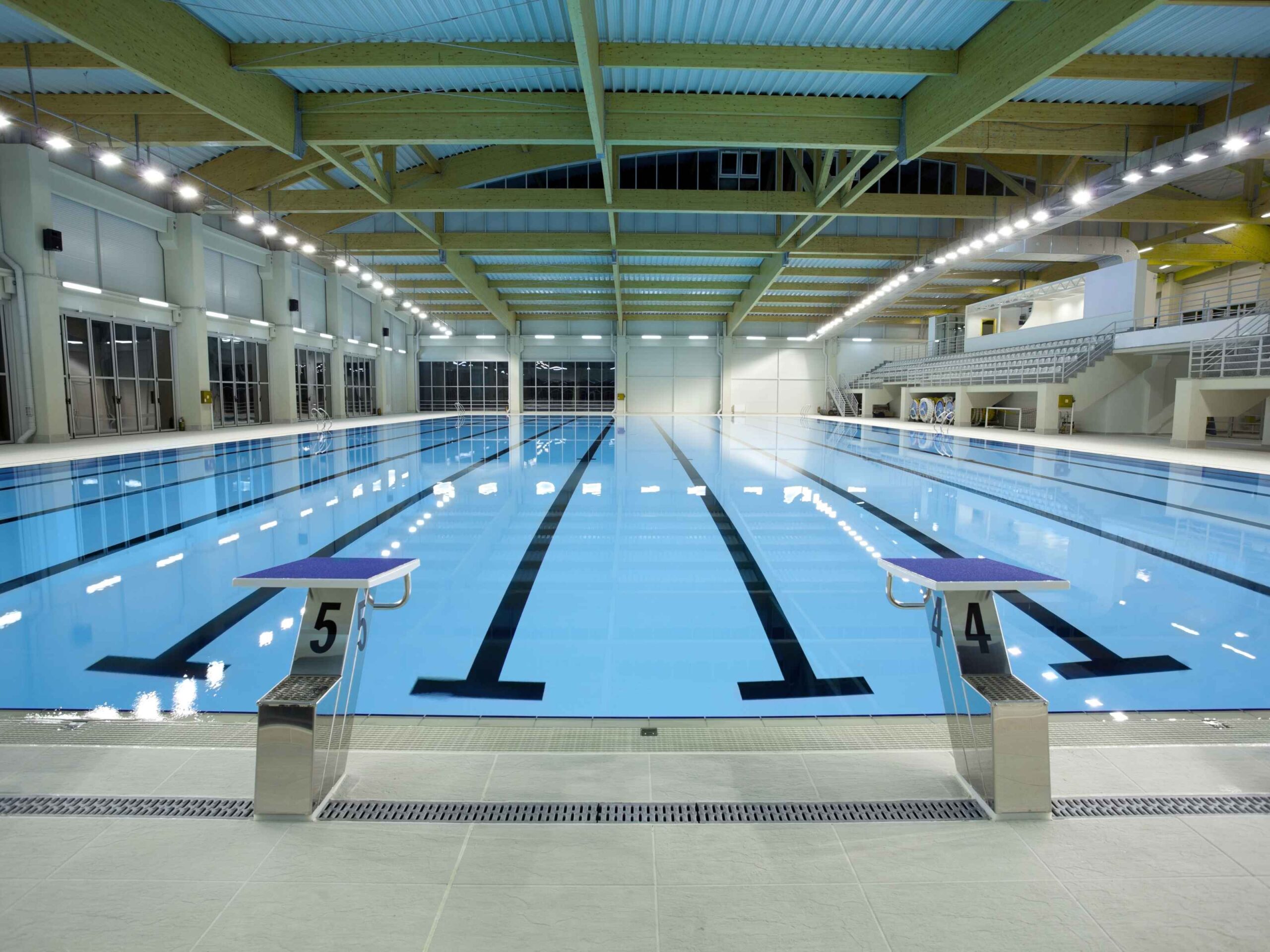
Why Proper Indoor Pool Dehumidifier Sizing is Important?
Not all humid indoor environments are the same, so their dehumidification requirements vary. The humidity in an indoor pool is entirely different from that of a warehouse or a basement. Therefore, the solutions for handling their humidity differ. The right size of the dehumidifier for the pool is not the biggest unit that you can afford or the smallest one that can fit into your space. It is something that manages the indoor environment of your space. It is the decision of the dehumidification capacity that you need to tackle the moisture load of the indoor pool. An undersized unit keeps costing you electricity while failing to control the excessive humidity. An oversize unit wastes energy and offers uneven performance. Here is why proper indoor pool dehumidifier sizing matters.
-
Rightly Sized Dehumidifier Handles Continuous Evaporation Better
In the outdoor pools, the moisture it releases goes directly into the open atmosphere with no alarming consequences. However, in an indoor pool, water evaporates from the pool surface throughout the day. It keeps adding to the humidity level of the indoor pool. When the water is warmer, evaporation becomes even faster. In the indoor environment, when the moisture accumulates so rapidly, it boosts the level of relative humidity and makes the environment less comfortable. This constant water vapor in the indoor pool needs a dehumidification system that is capable of tackling that continuous load. Therefore, a properly sized dehumidifier is required in an indoor pool to handle excessive humidity.
-
Rightly Sized Dehumidifier Tackles the Excessive Moisture Load
The moisture load in a typical indoor pool room is much higher than in any other space. One indoor pool evaporates dozens of pounds of water per hour. The size, usage, and temperature of the pool room also affect the level of humidity in the pool room. Here, you need a highly efficient dehumidification solution designed to handle the volume of humidity in a real-time, commercial-level indoor pool room. Humidity levels of an indoor pool room go even higher during the peak usage hours. The air starts to feel thick and heavy, and the environment becomes uncomfortable for the users before it impacts the equipment and infrastructure. Every surface in the indoor pool room becomes a target for condensation.
-
Rightly Sized Dehumidifier Protects Building Structure and Materials
When the humidity in an indoor pool room is consistently unchecked, it begins to accumulate on the walls, windows, ceiling, and other structural elements. It negatively affects the building structure and materials: the paint peels, the wood rots, and the drywall crumbles. Moreover, excessive moisture causes metal corrosion due to the chlorine compounds present in the air. Consistently high humidity levels in an indoor pool room can even corrode the stainless steel. These structural damages due to moisture-related issues require thousands of dollars to fix. Therefore, the right size dehumidifier is highly crucial in an indoor pool room.
Key Factors to Consider While Determining Indoor Pool Dehumidifier Sizing
There are a lot of factors you must consider while determining the size of your dehumidifier. Each aspect matters, and you cannot overlook any of them while calculating the accurate size of a dehumidifier for your indoor pool room. Let’s walk you through them.
a. Surface Area of the Pool
The surface of a pool is the dominant factor in determining the size calculation–not the room footprint. The larger the surface of the pool, the greater the water evaporation per hour. A slight increase in the pool size nearly doubles the surface area and dramatically boosts the moisture load.
b. Water Temperature
Another factor that determines the indoor pool dehumidifier sizing is the temperature of the water. The warmer water evaporates faster than the cooler water. A pool maintained at 88°F generates significantly more evaporation than one kept at 70°F. Commercial indoor recreational pools often operate at slightly warmer temperatures and so produce more evaporation. There are hydrotherapy pools, hot tubs, and spa pools that operate between 95°F and 104°F. These pools generate even more evaporation due to warmer water temperatures. Therefore, keep this factor in consideration during your sizing calculations.
c. Room Dimensions and Height of Ceiling
Another factor that you must consider while determining the right size of your indoor pool. The total air volume of the pool room lets the humidity build up quickly. A room with more ceiling height contains more air mass, which aids in handling humidity spikes. You will need more dehumidification capacity in a room with a high ceiling to maintain a stable humidity level over time.
d. Temperature of the Air
The air temperature in the commercial indoor pool room affects both the level of comfort and the evaporation rate. Typically recommended air temperature is 2°F to 4°F higher than the temperature of the water, as it helps reduce the surface evaporation. Know that you have the means to keep the water temperature level lower than the air temperature to reduce evaporation and so the humidity load.
e. Target Relative Humidity
Another aspect to consider while determining the right size of the dehumidifier is the target relative humidity. This factor determines the performance standard that your dehumidifier unit must achieve. Most of the commercial indoor pools standardize a target of 50 to 60 percent RH. If the outdoor humidity is high, the dehumidifier has to work harder to maintain the target RH levels.
f. Ventilation Rate
Ventilation rate also helps determine the right dehumidifier pool size. The outdoor air conditions impact the indoor moisture load, as the indoor pool exchanges air with the outdoors. Especially during the humid summer months, when the mechanical ventilation systems or makeup air systems swap the air, the humidity burden gets worse. Therefore, consider the ventilation rate while determining the dehumidifier size.
g. Activity Load and Usage Frequency
The usage of the pool and usage frequency add moisture to the indoor pool, also helping me determine the right dehumidifier size. Swimmers add more humidity to the air in the form of through perspiration, splashing, and wet skin and hair as they exit the pool. A commercial indoor pool generates an even higher moisture load during the peak hours.
h. Deck and Surrounding Surface Area
The wet deck of the indoor pool, wet deck furniture, towels, and the surrounding areas also contribute to evaporation. These are the secondary sources of moisture. Therefore, while determining the dehumidifier unit size, also consider these factors along with the pool water surface. Do not underestimate the additional moisture load from surrounding wet areas.
i. Climate Zone and Outdoor Air Conditions
The outdoor conditions of the indoor pool keep changing. Just like the outdoor air and the weather. Indoor pool rooms in hot and humid climates face higher levels of baseline moisture load from the exterior air infiltration. Similarly, the cold climate zones have different implications. Consider your climate zone while picking on the type and size of your dehumidification system.
How To Calculate Indoor Pool Dehumidifier Sizing
The correct sizing of an indoor pool dehumidifier is conditional on the device’s handling of high moisture load. A rightly sized dehumidifier deals well with the pool evaporation without underperforming. The industry-guided standard method for calculating the pool dehumidifier size relies on the evaporation rate formula. You can follow this formula derived from ASHRAE (American Society of Heating, Refrigerating, and Air-Conditioning Engineers) guidelines. Always engage a mechanical engineer or a pool dehumidification specialist to calculate the full load of moisture before you jump to your purchase decision.
Let’s walk you through its 2-step process as follows:
Step 1: Calculating Pool Evaporation Rate
The most dependable method to calculate the pool evaporation rate is to follow the industry standards, such as ASHRAE. It utilizes a vapor pressure differential formula to calculate the evaporation rate. This formula determines the dehumidification capacity needed to sustain optimal humidity levels in the indoor pool room. You can calculate the evaporation rate in pounds of water per hour using the formula.
The primary ASHRAE evaporation rate formula is:
ER = 0.1 × A × AF × (Pw – Pdp)
Here:
- ER = Evaporation rate (lbs of water per hour)
- A = Pool water surface area (ft²)
- AF = Activity factor (from ASHRAE tables; e.g 1.2–1.5 for active public commercial with waves or slides)
- Pw = Saturation vapor pressure at pool water surface temperature
- Pdp = Partial vapor pressure at room air dew point
You can use the published vapor pressure tables and plug those values into the formula to get the evaporation rate of your desired indoor pool room. It helps you determine the dehumidification requirement on the basis of what you can choose the right indoor pool dehumidifier sizing.
Step 2: Adding Ventilation and Swimmer Load
Now that you have calculated the evaporation rate of your indoor pool room, you can consider the additional sources of moisture. Each active swimmer adds 0.5 lbs of moisture per hour to the air of the pool room. The number and frequency of swimmers and the peak hours add more moisture to the existing humidity level of the indoor pool room. Moreover, if the pool has a mechanical ventilation system that brings in the air from the outside, it simply adds more moisture to the air. You need to account for these additional moisture sources. The sum of pool evaporation, ventilation load, and the swimmers’ load makes the total moisture removal capacity that your indoor pool
dehumidifier must be capcale to handle effectively. Experts recommend to add the safety margin of 10 to 15 percent above the calculated dehumidification capacity that you need. This dehumidification capacity cushion can handle excessive moisture coming from secondary sources of humidity in the indoor pool room.
Dehumidifier Models to Consider for Indoor Pool Rooms
You can consider many of our dehumidifier models for the indoor pool rooms. Let our dehumidification consultants help you choose the right indoor pool dehumidifier sizing.
Here are some of our best-selling pool dehumidifiers:
- GetJoeAir’s YC-60E
The YC-60E is a compact yet capable dehumidifier delivering 60L/day (127 pints/day) of moisture removal, making it ideal for small indoor pools and spa rooms ranging from 50–70 m² (538–753 sq ft). It offers reliable humidity control in a space-efficient package.
- GetJoeAir’s YC-90E
Designed for medium-sized pool rooms, the YC-90E removes 90L/day (190 pints/day) and comfortably handles spaces between 90–120 m² (969–1,292 sq ft). A solid choice for residential indoor pools seeking consistent, energy-efficient performance.
- GetJoeAir’s YC-138E
The YC-138E is ideal for small semi-commercial pool environments covering 120–150 m² (1,292–1,615 sq ft). Built to maintain stable humidity levels even during peak swimming hours.
- GetJoeAir’s YC-7S
This indoor pool dehumidifier is best for small commercial natatoriums spanning 160–200 m² (1,722–2,153 sq ft). Robust and efficient, it handles elevated bather loads with ease.
- GetJoeAir’s YC-10S
The YC-10S covers the pool rooms from 180–260 m² (1,938–2,799 sq ft), making it a reliable choice for mid-sized commercial pools that demand reliable, heavy-duty performance.
- GetJoeAir’s YC-15S
This dehumidifier is made for demanding commercial indoor pool environments. It removes moisture in pools with spaces between 250–350 m² (2,691–3,767 sq ft). This unit is a go-to solution for hotel pools, rehabilitation centers, and large semi-commercial natatoriums.
- GetJoeAir’s YC-20S
This unit is designed for large commercial pool rooms with areas up to 350–400 m² (3,767–4,306 sq ft). This dehumidifier is built to sustain peak performance in high-traffic, high-humidity environments around the clock.
- GetJoeAir’s YC-30S
This dehumidifier can tackle 720L/day (1,522 pints/day) across spaces of 500–700 m² (5,382–7,535 sq ft)–making it ideal for aquatic centers, sports complexes, and large hotel facilities with uncompromising humidity control.
- GetJoeAir’s YC-40S
This unit is designed for the largest commercial and institutional natatoriums, ranging from 700–900 m² (7,535–9,688 sq ft)
Conclusion:
Your precision on the right indoor pool dehumidifier sizing determines the possibility of a healthy, durable, and cost-effective pool room environment. If you consider all the primary and secondary sources of moisture in an indoor pool room, and leave a safety factor for the unknown, you can determine the right dehumidification capacity. It helps you choose the right dehumidifier that can efficiently handle the consistently building moisture in your pool room. You can protect your entire investment with the right decision of indoor pool dehumidifier sizing. You must know the moisture load of your pool room and accurately calculate it, considering every relevant factor. Don’t rely on guesswork or unrealistic estimates as it can cost you tons of money. Consult a dehumidification specialist and get help with professional load calculation for your indoor pool room.
You May Also Like

Optimizing Cannabis Growth: Calculating Dehumidifier Quantities for Greenhouse Cultivation”

Hey there, I’m Cloud from Joe Air! An expert in dehumidifiers and humidifiers. How can I help you?